Science
Latest science news and analysis from around the world.
Latest Stories
 Science
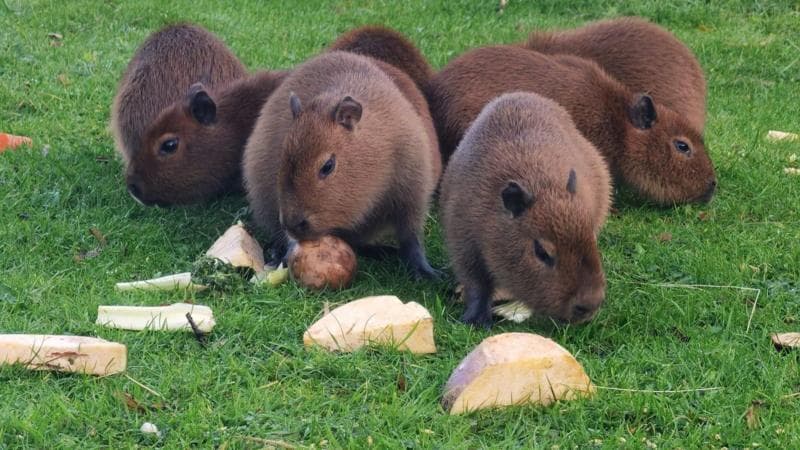
Capybara pups at Manx zoo draw record crowds
Curraghs Wildlife Park has its busiest October weekend ever after the birth of eight capybara pups.
 Science
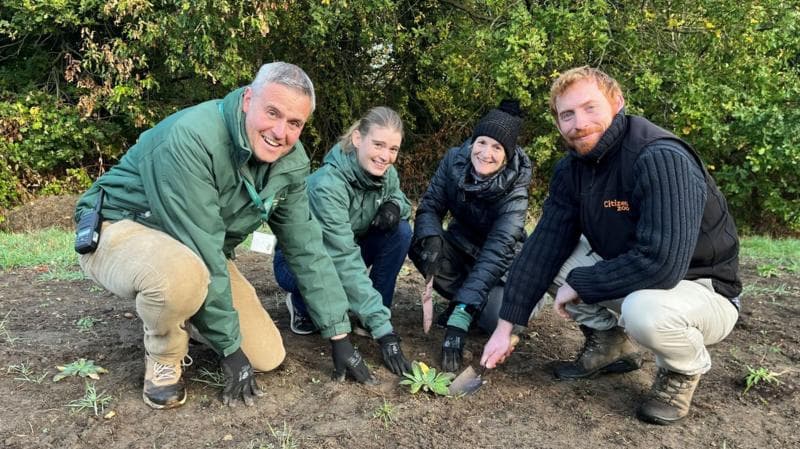
Volunteers help save one of London's rarest plants
Tower mustard has suffered steep decline in London but has been successfully grown and replanted.
 Science
Musk and Anthropic pledge public share giveaways
Musk's announcement comes after Anthropic pledged to create a public benefit fund ahead of its blockbuster stock market listing.
 Science
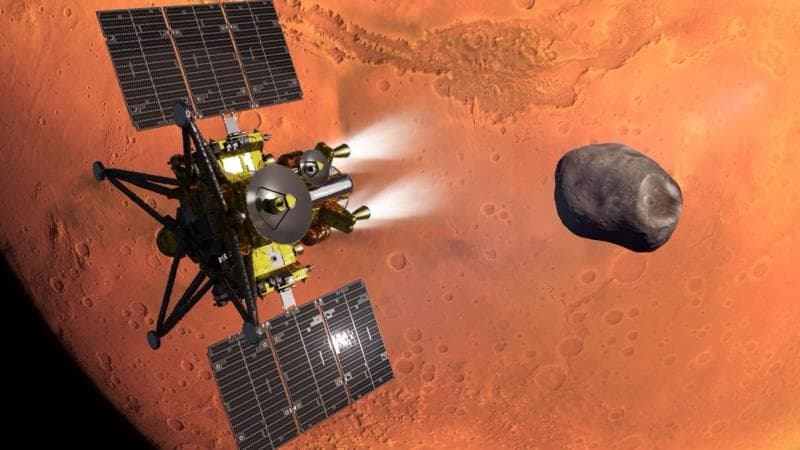
Mission set to blast off for Mars to grab a piece of its moon
A spacecraft is set to launch on an ambitious mission to bring 10g of Martian moon dust back to Earth.
 Science
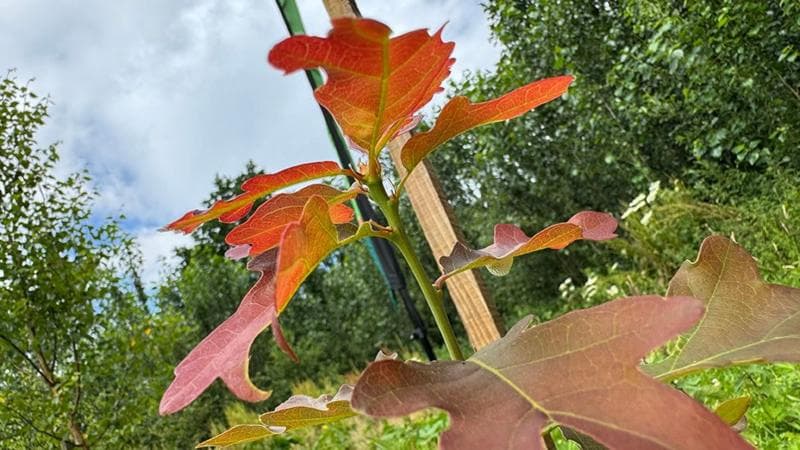
Volunteers plant 109,000 trees in new woodlands
In the last two seasons, almost 500,000 trees and 27,233 metres of new hedges, have been planted.
 Science
Starwatch: Catch the Orionid meteor shower streak across the night sky
As Earth passes through dust left by Halley’s comet, observers may see 10-20 fragments per hourThe annual Orionid meteor shower reaches its peak this week, offering the chance to see fragments of the most famous comet of all streaking across the night sky.The Orionids occur every October as Earth passes through a stream of dust left behind by Halley’s comet. As these tiny particles plunge into Earth’s atmosphere at about 66 kilometres per second, they heat the surrounding air and produce the fleeting streaks of light that we call meteors. Continue reading...
 Science
BBC visits wildfire front in haze-choked Indonesia
The BBC is in central Kalimantan, where a toxic haze fuelled by wildfires is choking millions of residents.
 Science
Warning signs could predict inflammatory bowel disease a decade before diagnosis
Antibody patterns in the blood may help doctors identify people at risk so they can be treated earlier, research showsPatterns of antibodies in people’s blood could predict the onset of inflammatory bowel disease (IBD) a decade before diagnosis, according to research that raises hopes for catching the condition early.Crohn’s disease and ulcerative colitis, the two main forms of IBD, are typically treated only after symptoms appear, when the gut has already been damaged. But scientists found that the immune system sends warning signals up to a decade before diagnosis, paving the way for potentially earlier detection and even prevention. Continue reading...
 Science
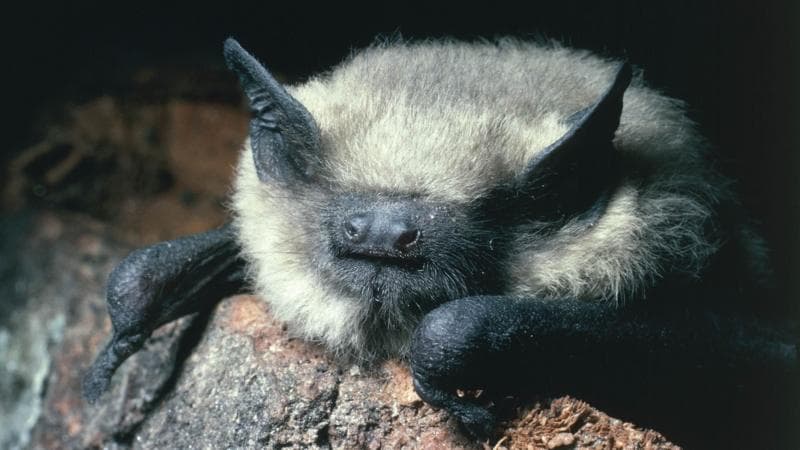
Fears for protected bats if glamping pod plans are approved
Without a mitigation strategy the effect on the creatures would be "major", a survey says.
 Science
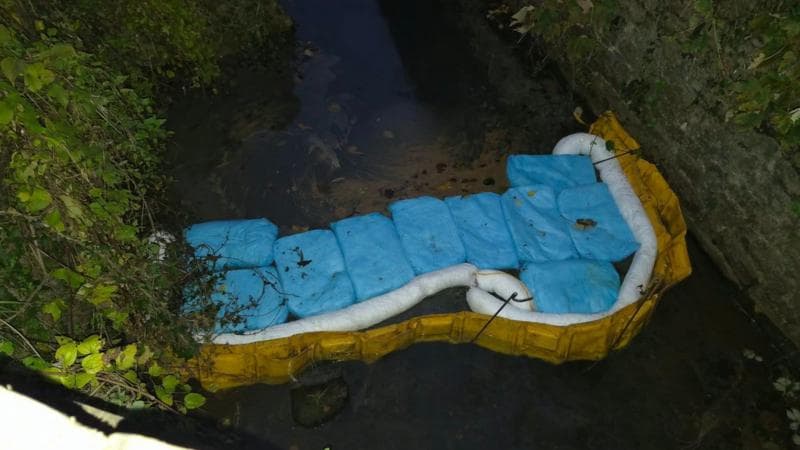
Fuel leak spreads more than two miles along River Taff
Public Health Wales advises people living nearby to shut their doors and windows due to the smell.